
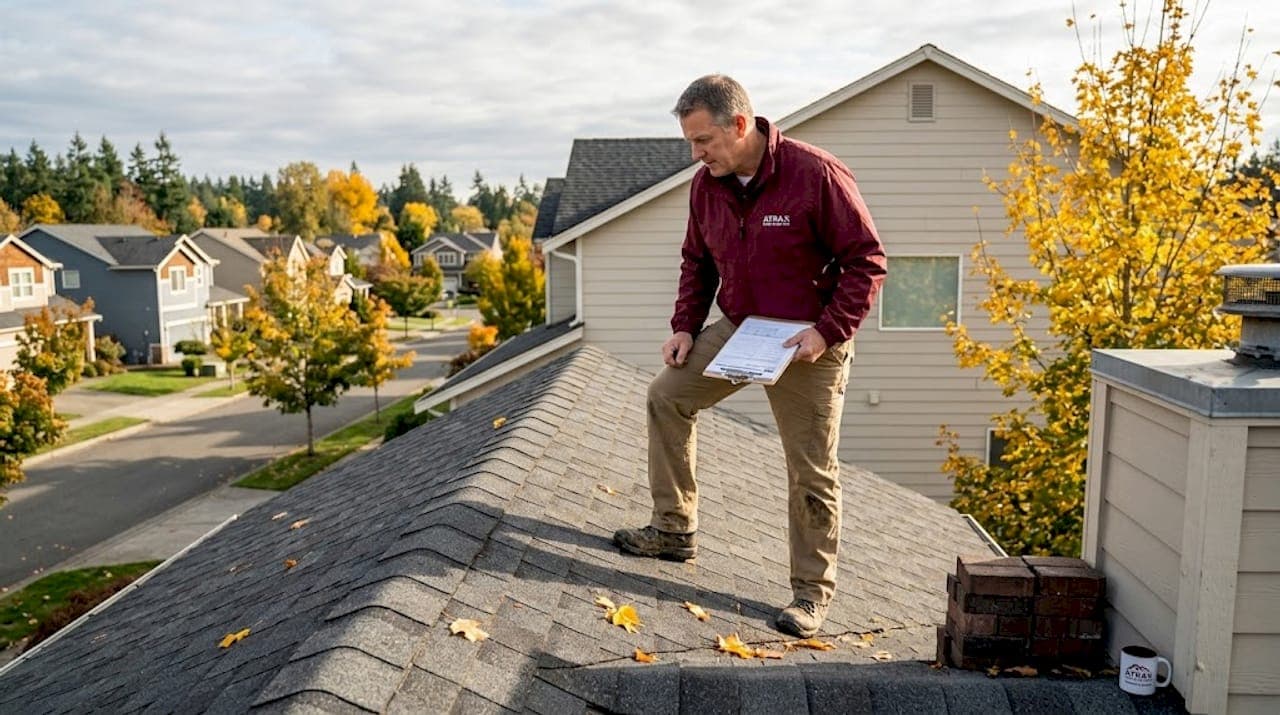
Most homeowners assume a roof inspection is someone glancing at shingles from the driveway for ten minutes. It's not. A real roof inspection is a systematic, multi-point evaluation that covers your roof's exterior materials, gutters, flashing, attic ventilation, and structural components. In Washington State, where persistent rain, moss growth, and strict local building codes create unique risks, understanding what a roof inspection actually involves isn't optional. It's the difference between catching a $400 repair early and facing a $15,000 replacement you never saw coming.
Table of Contents
- What is a roof inspection and what does it cover?
- Why regular roof inspections are essential in Washington State
- When to schedule roof inspections and what they typically cost in Washington
- How professional roof inspections are conducted in Washington
- Reading your roof inspection report and making informed decisions
- The overlooked truths about roof inspections every Washington homeowner should know
- Reliable roof inspection and repair services for Washington homeowners
- Frequently asked questions
Key Takeaways
| Point | Details |
|---|---|
| Comprehensive roof checks | A full roof inspection evaluates exterior materials and attic conditions following professional standards. |
| Local climate impact | Washington’s wet weather accelerates roof wear, making inspections vital for early problem detection. |
| Inspection frequency | Twice yearly inspections plus after storms keep roofs in optimum condition. |
| Professional processes | Certified inspectors use systematic methods and photo documentation for accurate reports. |
| Use reports wisely | Inspection findings guide repairs, insurance compliance, and lifespan planning. |
What is a roof inspection and what does it cover?
A roof inspection is a structured evaluation of every visible component of your roofing system, conducted by a trained professional following recognized standards like those from the American Society of Home Inspectors (ASHI) and the National Roofing Contractors Association (NRCA). It's not a casual walk-through. It's a documented process.
A professional roof inspection covers roofing materials, gutters, downspouts, flashings, soffits, fascias, skylights, roof penetrations, and chimneys, typically taking 45 minutes to 2 hours depending on roof size and complexity. That's a significant amount of ground to cover, and each component tells a different part of the story.
Here's what a standard inspection evaluates:
- Roofing materials: Shingles, tiles, or metal panels for cracking, curling, missing sections, and granule loss
- Flashing: Metal strips around chimneys, vents, and valleys that seal joints against water entry
- Gutters and downspouts: Attachment, alignment, debris blockage, and drainage flow
- Soffits and fascia: The boards under your roof's edge that protect the rafter ends and support gutters
- Skylights and penetrations: Seals around any feature that breaks the roof plane
- Attic interior: Ventilation, insulation, moisture stains, and structural sheathing condition
That last point is critical. Thorough inspections involve attic access to reveal hidden damage such as poor ventilation, which is vital in wet climates like Washington State. Water damage often shows up inside the attic weeks or months before it appears as a stain on your ceiling. Skipping the attic means missing half the picture.
Inspectors document what they observe. They don't predict how many years your roof has left. That's an important distinction. Their job is to describe current conditions, not make guarantees. For ongoing roof maintenance tips, knowing what your inspection report found is the starting point.
Pro Tip: Ask your inspector specifically whether they plan to access the attic. If they don't include it as standard practice, request it. In Washington's climate, it's not optional.
Why regular roof inspections are essential in Washington State
Washington isn't just rainy. It's persistently wet, with overcast skies and moisture that lingers for months. That environment is hard on roofing systems in ways that aren't always obvious until damage is already advanced.
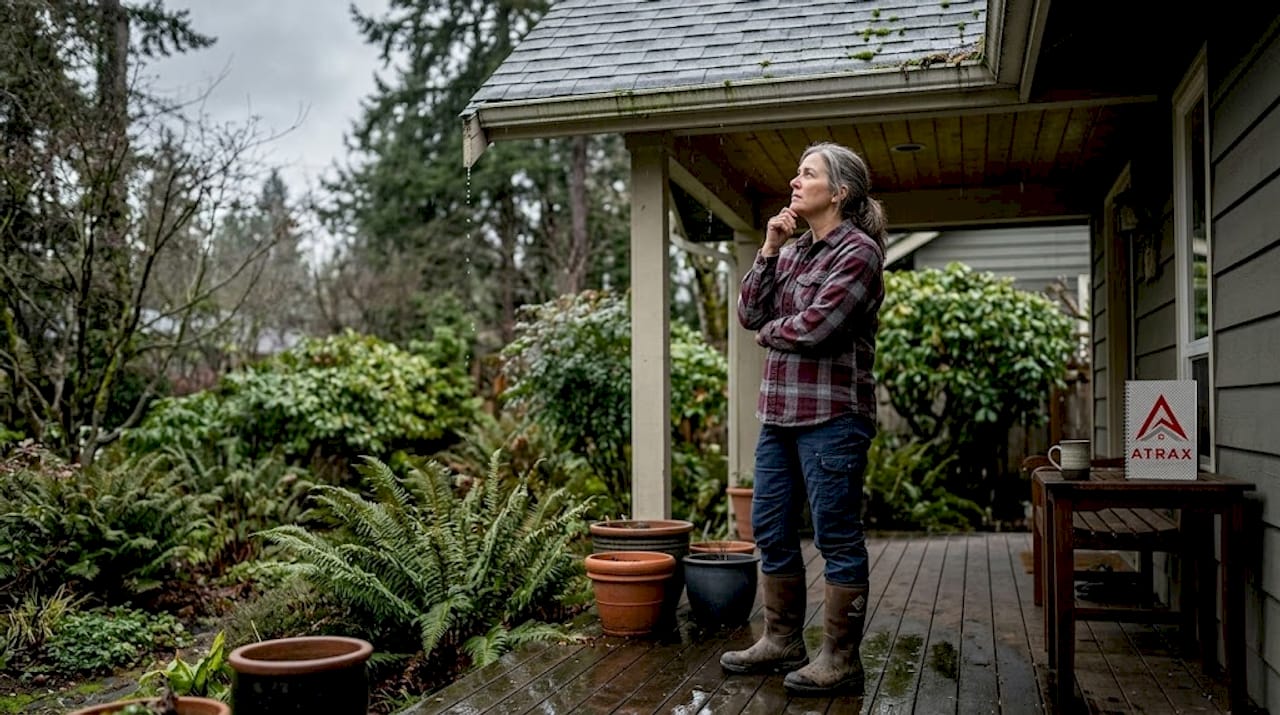
Washington's wet climate shortens asphalt shingle lifespans and encourages moss growth that accelerates deterioration. Moss isn't just cosmetic. It holds moisture against shingles, lifting edges and creating pathways for water to reach your decking. Left untreated, it can cut years off a roof that should last two decades.
Regular inspections catch these problems while they're still manageable:
- Moss and algae growth identified before it penetrates shingle layers
- Flashing failures around chimneys and skylights that cause slow, silent leaks
- Granule loss in gutters indicating shingle wear that accelerates after heavy rain
- Attic condensation caused by inadequate ventilation, common in tightly sealed Washington homes
- Damaged or missing shingles after windstorms, which are frequent in the Pacific Northwest
Washington's building codes add another layer of obligation. Local codes require roof sheathing inspection between framing completion and roof covering installation during permitted roofing projects to ensure compliance. If you're having work done without that inspection checkpoint, you may face failed inspections, project delays, and costly corrections.
"A roof inspection isn't just about catching today's damage. It's about knowing where your roof is heading and making sure your home meets the standards that protect your family and your investment."
Insurance adds a third reason to stay current. Inspection records support policy compliance and make the claims process significantly smoother when damage occurs. Gaps in documentation can complicate coverage. Understanding Washington roof replacement costs is easier when you have inspection history to reference.
When to schedule roof inspections and what they typically cost in Washington
Timing matters for both accuracy and safety. Scheduling on a rainy November day limits what an inspector can safely observe. Here's a practical framework.
When to schedule:
- Spring (after winter weather): Check for damage from freeze-thaw cycles and windstorms
- Fall (before rainy season): Clear debris, check moss treatment, and confirm drainage paths
- After severe weather: High winds, hail, or heavy snow can cause damage that isn't visible from ground level
- Before buying or selling a home: Protect yourself from inheriting undisclosed roofing problems
- After a roofing repair: Confirm the work was completed correctly and no adjacent areas were disturbed
NRCA recommends roof inspections twice yearly, in spring and fall, plus after severe weather and before real estate transactions. That cadence accounts for Washington's specific seasonal stress patterns.
Typical costs in Washington State:
| Inspection type | Estimated cost | Typical duration |
|---|---|---|
| Standard home inspection (roof included) | $400 to $700 | 2 to 3 hours |
| Standalone roof inspection | $150 to $400 | 45 minutes to 2 hours |
| Post-storm damage assessment | $150 to $300 | 45 to 90 minutes |
| Pre-sale inspection | $400 to $700 | 2 to 3 hours |
Standard roof inspections in Washington cost between $400 and $700 depending on home size and location. Larger homes with complex rooflines, multiple penetrations, or steep pitches cost more because they take longer and present greater safety requirements.
Pro Tip: Schedule your fall inspection in September or early October, not November. You want dry weather and enough time to address any repairs before the rainy season starts in earnest.
A clear roof replacement timeline becomes much easier to plan when you have two annual inspection reports to reference year over year.
How professional roof inspections are conducted in Washington
The inspection process follows a deliberate sequence. It's not random. Certified inspectors work through a checklist that covers every component in a logical order, from the perimeter up.
The process typically unfolds like this:
- Exterior perimeter check: Gutters, downspouts, fascia, and soffit condition assessed from ground level first
- Roof surface walk: Inspector accesses the roof to evaluate shingles, flashing, ridge caps, and field areas
- Penetration review: Every vent, skylight, chimney, and pipe boot is checked for seal integrity
- Attic inspection: Access through an interior hatch to look for water stains, insulation gaps, ventilation problems, and sheathing condition
- Photo documentation: All deficiencies photographed for the written report
Certified inspectors use systematic checklists covering all roof components and safely traverse roofs when conditions allow, documenting findings with photos. When a roof is too steep or damaged to walk safely, inspectors use binoculars, drones, or cameras on poles to document conditions from a safe position.
Inspectors report the method used if roof traversal is unsafe and do not predict remaining roof life expectancy, focusing only on observable conditions. This protects both parties and keeps the report honest.
Comparison: professional inspection vs. DIY visual check
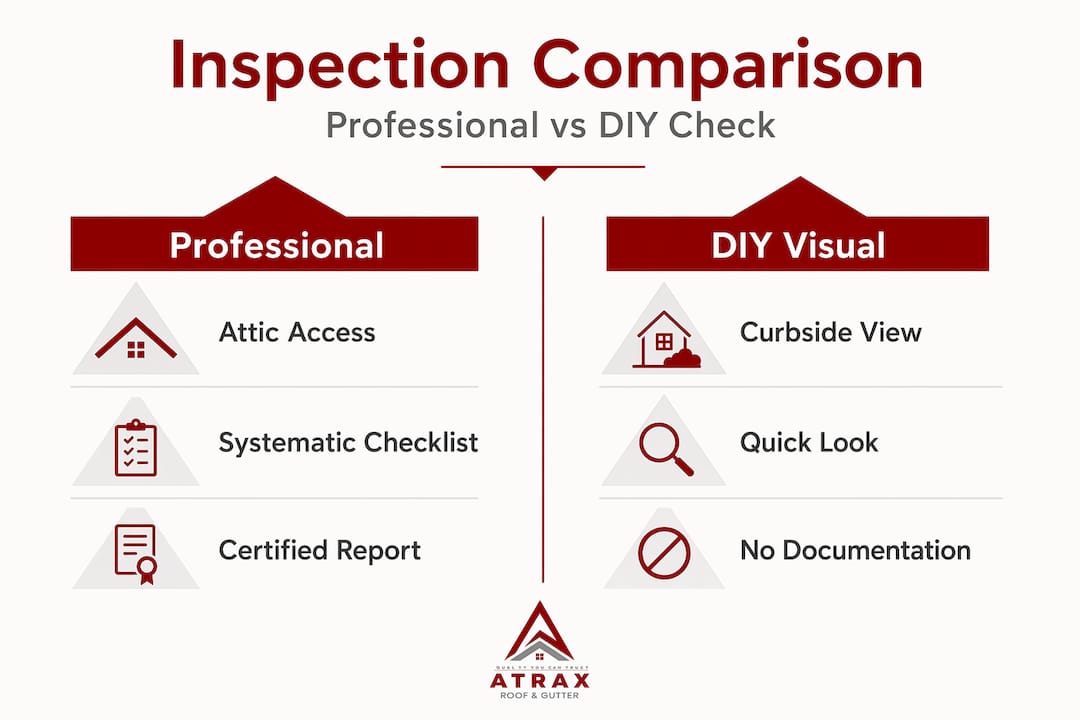
| Factor | Professional inspection | DIY visual check |
|---|---|---|
| Attic access | Standard practice | Rarely done |
| Flashing evaluation | Detailed, experience-based | Often missed |
| Code compliance check | Included | Not possible |
| Documentation for insurance | Certified report | Not accepted |
| Safety on steep roofs | Trained, insured | High personal risk |
Pro Tip: Ask your inspector for a gutter inspection checklist as part of their process. Gutters and roof health are closely linked, and a clogged or pulling gutter can drive water damage back into your fascia.
Reading your roof inspection report and making informed decisions
Your inspection report is only useful if you know what to do with it. Most reports organize findings by category and use condition ratings like "satisfactory," "needs monitoring," "needs repair," or "failed."
Here's how to use the report effectively:
- Separate urgent from routine: Anything rated as active leaking, structural concern, or code violation needs immediate attention
- Budget forward: Items noted as "aging" or "near end of useful life" help you plan a replacement timeline 12 to 24 months out
- Photograph review: Match the written findings to the photos so you understand exactly where each issue is located
- Get repair quotes promptly: Some conditions worsen quickly in Washington's wet season, so don't sit on a report through summer and revisit it in October
- File the report: Keep every inspection report in your home records file alongside permits and warranties
Inspections provide detailed written reports with photos and recommended solutions based on professional standards to help homeowners plan timely repairs. That documentation is also your evidence when negotiating a home sale or filing an insurance claim.
On the insurance side, Washington insurers require inspection documentation including roof age, materials, and condition for policy issuance or renewal. An undocumented roof can trigger a mid-policy review or affect your coverage limits. Pairing your inspection report with a plan for roof repair services keeps you in a strong position with your insurer.
The overlooked truths about roof inspections every Washington homeowner should know
After years of working on roofs across Kirkland, Bothell, Redmond, Bellevue, and Seattle, we've seen a pattern that frustrates us: homeowners who had inspections done and still ended up with serious, expensive damage. Not because inspections don't work, but because not all inspections are conducted the same way.
Ground-level visual checks are often marketed as "inspections." They're not. Standing at the curb and looking up at your roof reveals maybe 20% of what a real inspection covers. The flashing around your chimney, the sheathing under your shingles, and the ventilation in your attic are invisible from that angle.
Moss growth hidden under debris and poor attic ventilation are frequently missed but accelerate roof deterioration in Washington's wet climate. We've opened attics in homes where the exterior looked fine and found moisture damage on the sheathing that had been building for two or three seasons. The homeowner had no idea.
There's also a code compliance gap that surprises many homeowners. Many inspections omit roof sheathing checks required by local codes before roofing material installation, risking compliance failures. If you're having a roofing contractor replace your roof and the sheathing inspection doesn't happen at the right stage, your permit may fail. That means work stops, corrections are made, and you pay for delays that were entirely avoidable.
Certified, systematic inspections with attic access and code-aware evaluations aren't more expensive because they're overcomplicated. They're more thorough because Washington's environment and regulations demand it. A report with photos, component-by-component findings, and documented attic conditions does something a quick visual check never can: it gives you something you can act on.
If you're planning repairs or budgeting ahead, having certified inspection documentation also strengthens your position when reviewing roof replacement budgeting options. Numbers tied to verified findings are always more reliable than estimates built on guesses.
Reliable roof inspection and repair services for Washington homeowners
If your roof is overdue for a proper evaluation, we're here to help. At Atrax Roof & Gutter, we conduct thorough roof inspections following Washington State building codes and NRCA standards. That means attic access, full exterior evaluation, photo documentation, and a clear written report you can actually use.
Our team serves Kirkland, Bothell, Redmond, Bellevue, Seattle, and the surrounding communities. We combine 10+ years of local experience with honest communication and no-surprise reporting. When we find something, we tell you clearly what it is, why it matters, and what it will take to fix it. Our professional roof repair services address issues promptly so small problems don't grow into major expenses. Browse our roof inspection portfolio to see our work, and ask about our roof repair financing options if you need flexibility managing costs. Your family's safety is worth a conversation.
Frequently asked questions
How often should I get my roof inspected in Washington State?
NRCA guidelines recommend scheduling roof inspections twice yearly, in spring and fall, plus after any severe weather event like high winds or heavy snow.
What does a professional roof inspection include?
A professional inspection covers roofing materials, gutters, flashing, roof penetrations, attic conditions, and ventilation, with thorough photo documentation of any deficiencies found.
How much does a roof inspection cost in Washington State?
Standard inspections in Washington typically cost between $400 and $700, depending on your home's size and location within the state.
Are roof inspections required for homeowner insurance in Washington?
Washington insurers require roof inspection documentation showing age, materials, and condition for new policies or renewals, so staying current protects your coverage.
Why is attic inspection part of a roof inspection?
Attic inspections detect damage invisible from the roof exterior, including hidden water intrusion and ventilation failures that are especially common in Washington's wet climate.