

Most homeowners assume cleaning gutters once a year is enough. It usually isn't. Understanding what is annual gutter cleaning, and what it actually takes to protect your home, can save you from thousands of dollars in foundation repairs, rotted fascia boards, and water-damaged interiors. This article breaks down what the cleaning process involves, how often you really need it, what happens when you skip it, and how to build a maintenance routine that keeps your home protected year-round.
Table of Contents
- Key takeaways
- What annual gutter cleaning really means
- Why gutter cleaning prevents expensive damage
- Maintaining gutters year-round
- Professional vs. DIY gutter cleaning
- My take after 10 years of gutter work
- Protect your home with Atraxroofandgutter
- FAQ
Key takeaways
| Point | Details |
|---|---|
| Twice-yearly cleaning is standard | Most experts recommend cleaning gutters in late spring and late fall to match debris cycles. |
| Neglect carries serious costs | Foundation and fascia repairs from clogged gutters can run between $2,000 and $15,000. |
| Guards don't replace cleaning | Gutter guards reduce debris but still require annual inspection and cleaning to work properly. |
| Professional service catches more | Pros find hidden issues like loose brackets or pitch problems that DIY cleaning misses. |
| Downspouts matter too | Water must discharge at least 4 to 6 feet from your foundation to prevent soil saturation. |
What annual gutter cleaning really means
The phrase "annual gutter cleaning" is a bit misleading. In practice, it refers to a scheduled maintenance routine rather than a single once-per-year visit. Most experts recommend cleaning gutters at least twice per year, with late spring and late fall as the two ideal windows. Think of it as one cleaning cycle per year with two service visits built in.
Here is what happens at each cleaning:
- Late spring cleaning: After trees finish releasing seeds, pollen, and blossoms, your gutters fill with fine organic material that compacts quickly. This cleaning clears that buildup, checks for any winter damage, and makes sure downspouts flow freely heading into summer rain season.
- Late fall cleaning: This is the most critical visit of the year. Fall leaves and debris clog gutters and cause water to back up. When temperatures drop, that standing water freezes and forms ice dams that can damage your roof deck and attic insulation.
- Additional visits when needed: Homes surrounded by pine trees, maples, or other heavy-shedding species may need a third cleaning in late summer or early winter. Heavy storm seasons can also push debris into gutters faster than the standard schedule accounts for.
The gutter maintenance frequency you need depends on your specific property, not a universal rule. A home with a single ornamental tree in the front yard has very different needs than one surrounded by mature Douglas firs.
It also helps to distinguish between cleaning frequency and inspection frequency. Cleanings remove physical debris. Inspections assess the structural condition of your gutters, pitch, and attachments. Ideally, you do both at the same time. Our gutter inspection checklist walks Washington homeowners through exactly what to look for at each visit.
Pro Tip: Schedule your fall cleaning for after the last major leaf drop in your area, not before. Cleaning too early means a second wave of leaves fills your gutters before winter arrives.
Why gutter cleaning prevents expensive damage
Gutters act as your home's primary water management system. When they clog, water has nowhere to go but over the edge, and the consequences reach further than most homeowners realize.
Here is what clogged gutters can trigger:
- Foundation damage: Overflowing water pools around your home's base. Over time, it saturates the soil and can cause settling, cracking, and leaks in your foundation walls.
- Fascia and soffit rot: Standing water in gutters sits directly against the wooden fascia boards behind them. Rot sets in quietly, and by the time you see it, the damage is already deep.
- Roof damage: Water backing up under shingles, combined with ice dam formation, can lift and crack shingles, compromise your roof deck, and create leaks into your attic.
- Siding damage and mold: Overflow runs down your home's exterior, seeping behind siding and creating moisture problems that feed mold growth inside your walls.
- Landscaping erosion: Heavy overflow beats down on flower beds, washes away mulch, and erodes grading that was designed to direct water away from your home.
The financial picture makes the importance of gutter cleaning very clear. Neglecting gutter maintenance can lead to foundation and fascia repairs costing homeowners between $2,000 and $15,000. Compare that to professional gutter cleaning for a single-story home, which typically runs $119 to $234 per service. Two visits a year comes to roughly $240 to $470, a small fraction of what a single repair bill can cost.
"Visible overflow or sagging gutters signal that serious damage has often already begun." Catching problems before water reaches that point is the entire goal of a consistent cleaning schedule.
Beyond structural concerns, there is an indoor air quality angle that most homeowners overlook. Persistent moisture from leaky gutters creates the conditions mold needs to grow inside walls and attics. Once mold establishes itself, remediation alone can cost several thousand dollars, not counting the repairs to the surfaces it damages.
Maintaining gutters year-round
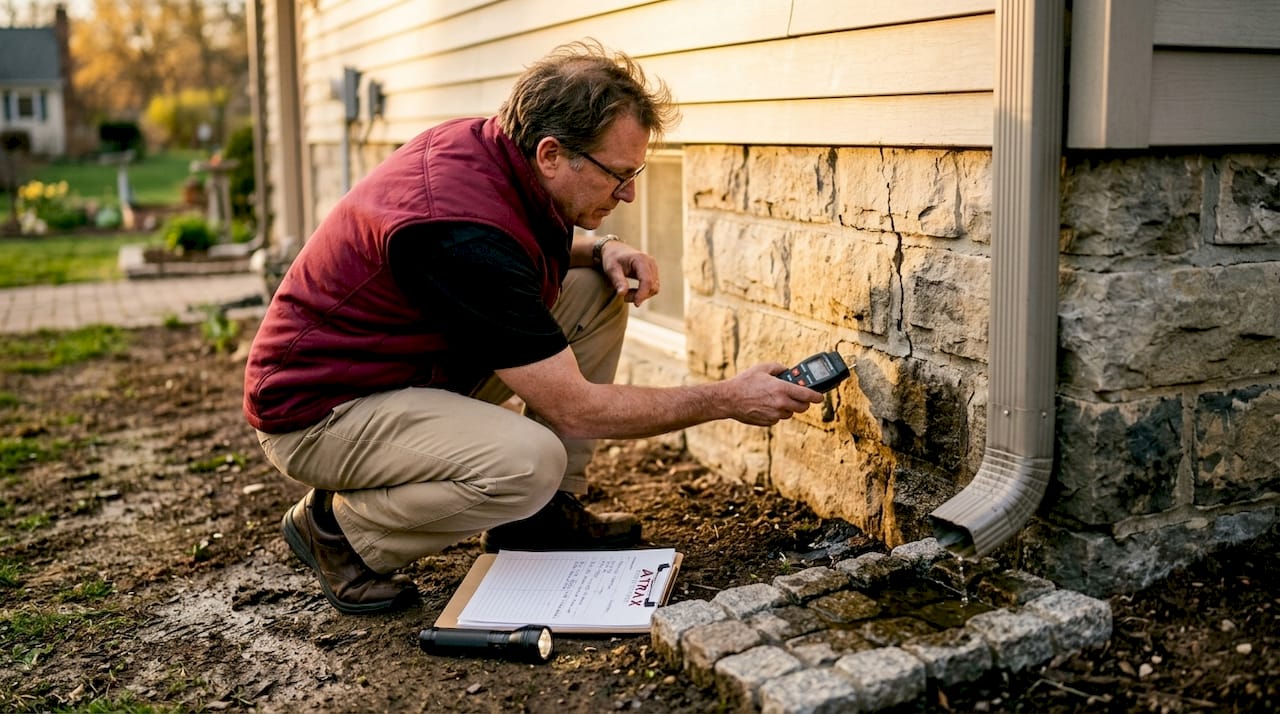
Scheduling two professional cleanings per year is a solid foundation. But the best protection comes from pairing those visits with simple, regular attention throughout the rest of the year.
Monthly visual inspections from ground level help you catch early signs before they become repairs. You do not need to get on a ladder every month. Simply walk around your home during or after a rain event and look for these warning signs:
- Water spilling over the sides of gutters instead of flowing through downspouts
- Gutters pulling away from the roofline or visibly sagging in sections
- Staining on your siding or foundation below the gutter line
- Standing puddles near your foundation after rain
- Any visible plant growth or soil inside the gutter channel
One detail that often gets missed: downspouts must discharge water at least 4 to 6 feet from your foundation. Even perfectly clean gutters create problems if your downspout extensions are too short or pointed toward the house.
Gutter guards are a common upgrade, and they do reduce how much debris enters your gutters. But even with gutter guards installed, annual inspection and cleaning remain necessary. Fine debris like seed pods, pollen, and shingle granules still accumulates over time and eventually restricts flow. Guards lower your maintenance burden. They do not eliminate it. Our guide on gutter guards explained covers which types work best in the Pacific Northwest and what to realistically expect from them.
Pro Tip: Integrate your gutter cleaning schedule with seasonal tree cycles on your property. If you have a large maple that drops in mid-November, schedule your fall cleaning for late November, not early October.
Professional vs. DIY gutter cleaning
Once you understand the value of consistent cleaning, the next question is whether to do it yourself or hire a professional. Both options work, but they serve different homeowners differently.
| Factor | DIY cleaning | Professional cleaning |
|---|---|---|
| Cost per visit | Low (your time + supplies) | $119 to $234 for single-story homes |
| Safety | Risk on ladders, especially for multi-story homes | Trained crews with proper safety equipment |
| Quality of inspection | Surface-level debris removal only | Identifies pitch issues, loose brackets, and hidden damage |
| Minor repairs | Requires separate materials and skills | Often included during the same visit |
| Time required | 2 to 4+ hours depending on home size | Typically 1 to 2 hours |
DIY cleaning works for single-story homes with easy roof access and homeowners who are comfortable on a ladder. For two-story or multi-story homes, the risk is not worth it. A fall from a ladder is one of the most common causes of serious homeowner injuries, and that risk multiplies when you are leaning outward over a gutter run.

The deeper advantage of professional service goes beyond safety. Professional cleaning visits often uncover hidden issues like sagging sections, loose brackets, or improper pitch that cause water to pool rather than drain. These are minor repairs when caught early. Left unaddressed, they become gutter replacements. Pros also perform scheduled pitch adjustments and bracket tightening during the visit, extending your gutter system's lifespan without any extra cost.
For Washington homeowners specifically, check out our cleaning frequency checklist to figure out exactly how many visits your home needs based on tree coverage, roof type, and your local weather patterns.
My take after 10 years of gutter work
I have seen a lot of gutter damage that could have been completely prevented. After more than a decade doing this work across Kirkland, Bothell, Redmond, and Seattle, the pattern I see most often is this: homeowners wait until something is visibly wrong before they call. By that point, the water has already done its damage.
What surprises people most is how quiet the damage is. A clogged gutter does not announce itself. It just sits there full of wet leaves, pressing against your fascia, sending water toward your foundation, week after week. You do not notice it until the fascia board is soft, or there is a water stain on your ceiling, or your foundation has started to crack.
The homeowners who avoid expensive repairs are not doing anything complicated. They schedule two cleanings a year, they take a quick walk around the house after a heavy rain, and they call us when something looks off. That is genuinely the entire routine.
I also want to address gutter guards directly, because I get this question constantly. Guards are worth installing in the right situations, and I recommend them for certain homes. But I have cleaned gutters with guards that had not been touched in three years and found significant buildup underneath the guard itself. They reduce the work. They do not eliminate it. Plan on an annual inspection no matter what.
My honest advice: treat your gutters the way you treat your car's oil. You do not wait for the engine to knock before you change it. You put it on the calendar and you stay ahead of it.
— Danyllo
Protect your home with Atraxroofandgutter
At Atraxroofandgutter, we take gutter maintenance seriously because we have seen firsthand what neglected gutters cost homeowners. Founded by Danyllo Silva with over 10 years of experience, we offer scheduled spring and fall gutter cleanings that include debris removal, downspout flushing, and a full inspection for structural issues. Minor repairs like bracket tightening and pitch adjustments are handled on the spot.

Every cleaning visit is backed by our commitment to honest communication and flawless workmanship. We serve Kirkland, Bothell, Redmond, Bellevue, Seattle, and the surrounding communities. Browse our completed projects to see the quality we bring to every job. And if budget timing is a concern, our flexible financing options make it easy to get your home protected without waiting. Licensed, bonded, and insured. Call us for a no-surprise quote today.
FAQ
What does annual gutter cleaning include?
Annual gutter cleaning typically includes removing leaves, debris, and organic buildup from gutter channels, flushing downspouts to confirm proper drainage, and a visual inspection of gutter condition. Professional visits often also include minor adjustments like bracket tightening and pitch corrections.
How often should gutters really be cleaned?
Most experts recommend cleaning gutters at least twice per year, once in late spring and once in late fall. Homes with heavy tree coverage or frequent storms may need a third visit during the year.
Can clogged gutters really damage my foundation?
Yes. When gutters overflow consistently, water pools around your foundation and saturates the soil. Over time this causes settling, cracking, and moisture intrusion. Foundation repairs from this type of damage can cost between $2,000 and $15,000.
Do gutter guards mean I can skip cleaning?
No. Even with gutter guards installed, fine debris like pollen, seed pods, and shingle granules accumulates over time. Annual inspection and cleaning remain necessary to keep your gutters flowing properly.
What is the difference between gutter cleaning and gutter inspection?
Cleaning removes physical debris from the gutter channel and downspouts. An inspection assesses the structural condition of your gutters, including pitch, brackets, seams, and attachment points. Both should be done together at least once per year.